


Planning underwater work during a port call in Brazil requires more than finding an available diving team. The scope, local arrangements, operating conditions and reporting requirements need to work together.
Costa Maritime coordinates specialist diving support for shipowners, technical managers and marine service partners—from defining the assignment to delivering photographic and video records.
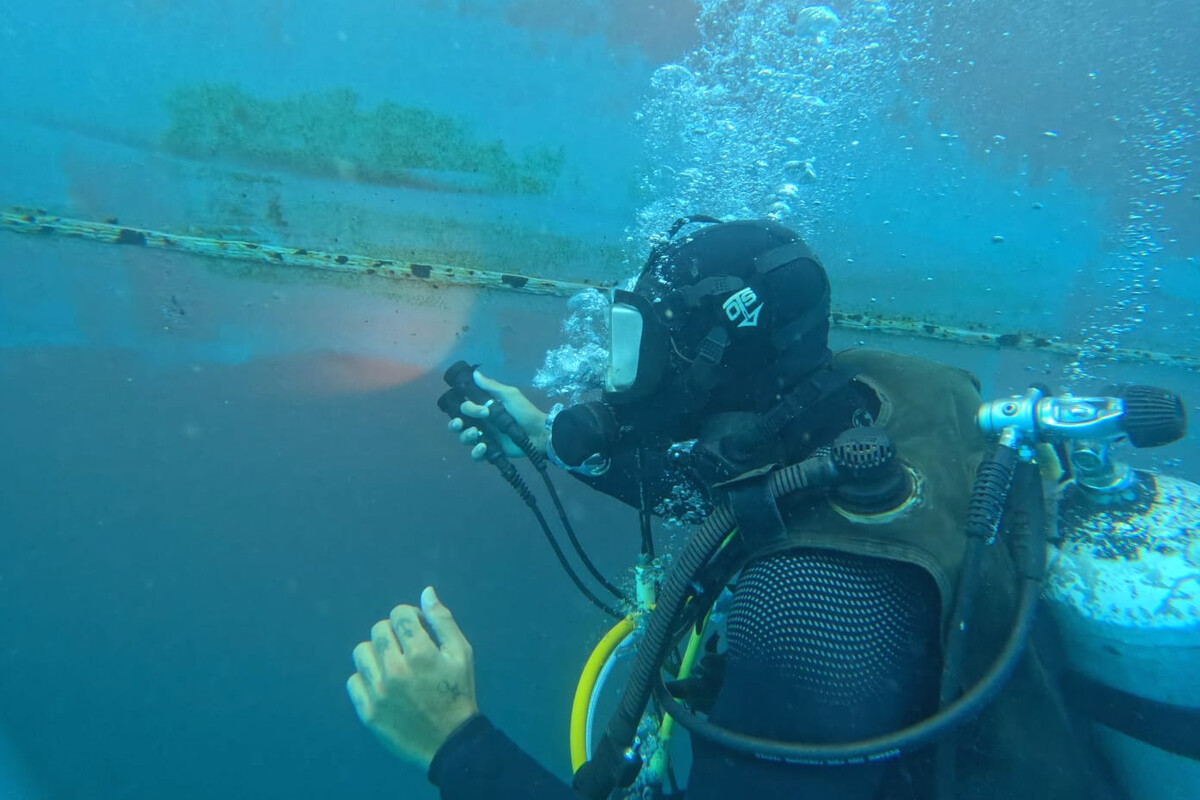
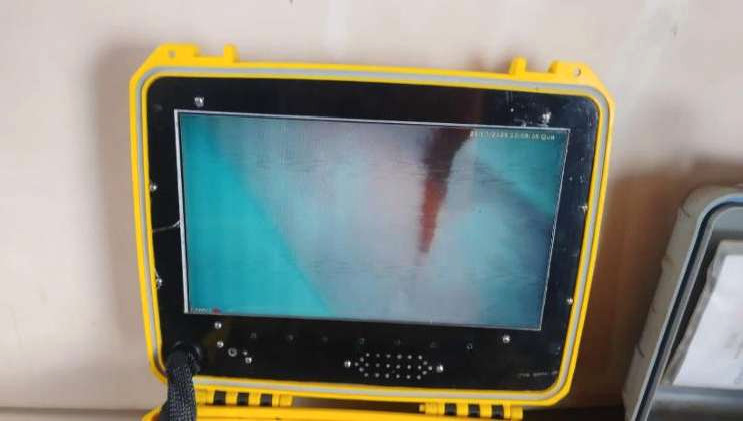
An underwater CCTV inspection coordinated at Suape anchorage illustrates our approach: clearly defined scope, local coordination and documented findings for the vessel’s technical team.
From mobilization to documented findings
For an underwater CCTV inspection at Suape anchorage, Costa Maritime coordinated specialist diving support and the delivery of the inspection report.
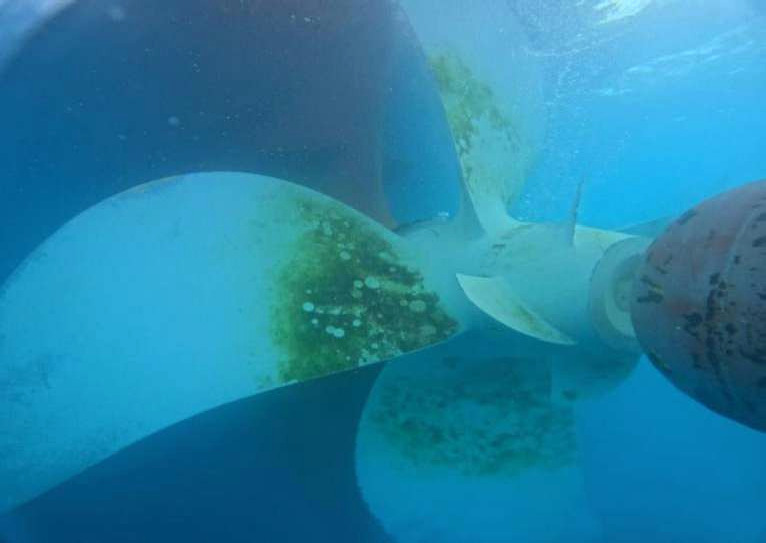
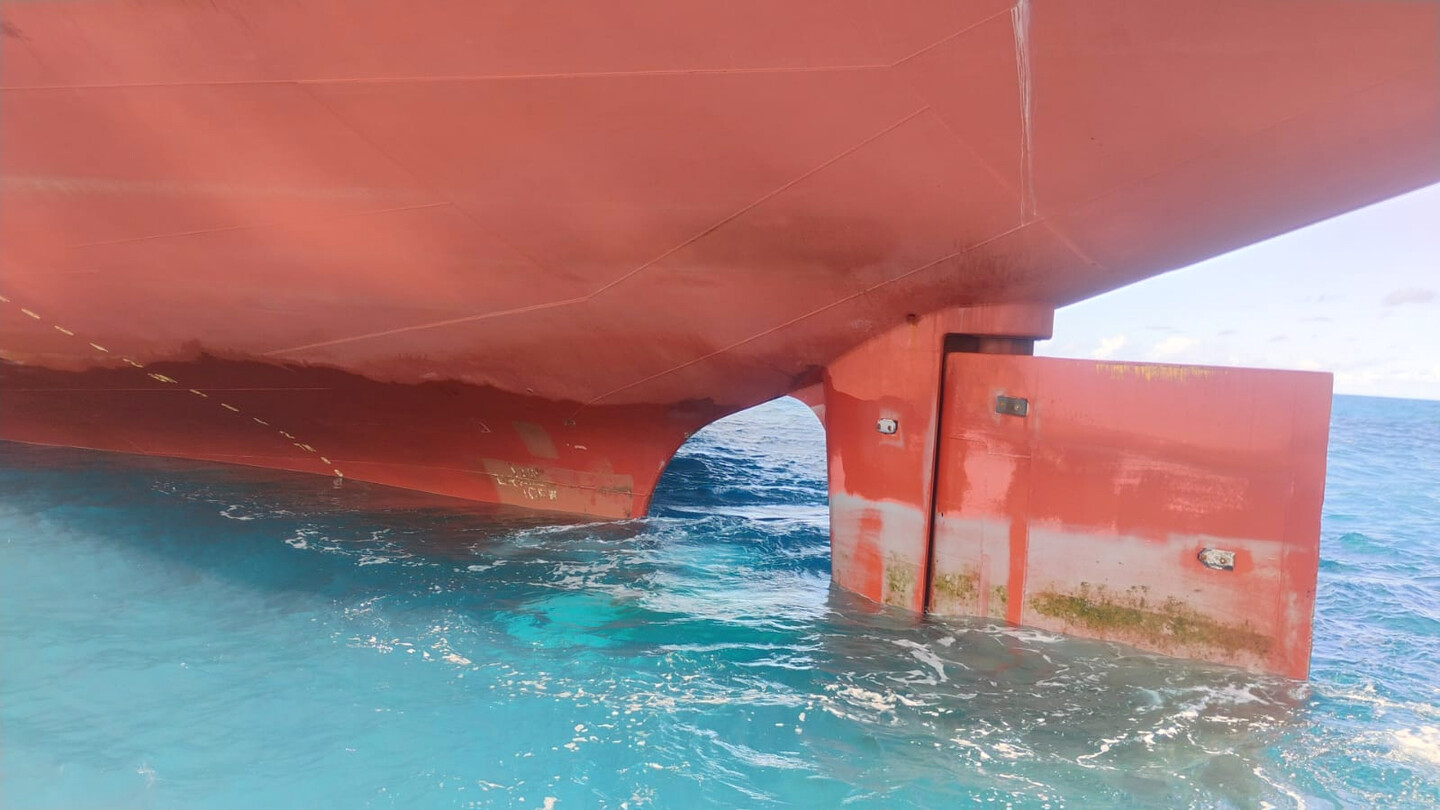
The report documented observations across the hull, rudder, sea chest grids, propeller and anodes, supported by photographs—giving the vessel’s technical team a clear record to review when considering maintenance.
This illustrates the service approach: coordination on site must translate into useful documentation on shore.
Inspection and cleaning are different scopes
An underwater inspection and a cleaning operation should not be treated as interchangeable services.
An inspection documents the condition observed. Cleaning or polishing involves a separately defined intervention, with its own methods, operating requirements and deliverables.
Depending on the vessel’s needs, a request may concern:
- Underwater hull inspection with photographic or video documentation.
- Sea chest and grid inspection or cleaning.
- Propeller inspection or polishing.
- Hull cleaning, subject to technical feasibility and applicable requirements.
Each activity should be identified explicitly in the quotation. An inspection-only offer should not be compared with a package that includes cleaning, support arrangements and additional reporting.
In the Suape case, the agreed scope was an inspection; the report’s recommendations could inform a separate cleaning decision.
NORMAM-401/DPC: environmental requirements belong in the service plan
Underwater work in Brazil must be planned with environmental requirements in mind—not only vessel access and diver availability.
NORMAM-401/DPC is the Brazilian Maritime Authority’s standard for preventing environmental pollution caused by vessels and platforms, including its Chapter 4 biofouling requirements. Brazilian Navy — NORMAM-401/DPC
Before confirming a cleaning operation, the parties should establish which requirements apply to the vessel, proposed method and location, and confirm the necessary documentation and local permissions. An inspection report can support that assessment; it is not, by itself, authorization to clean. A general CCTV inspection should not automatically be treated as satisfying all applicable biofouling documentation requirements.
The transition period also requires careful interpretation. Portaria DPC/DGN/MB No. 476 of 3 June 2026 postpones the application of Chapter 4 penalties and sanctions until 10 January 2028, while expressly requiring the standards to be observed from the ordinance’s entry into force. The postponement should not be read as an exemption from the requirements. Brazilian Navy — Portaria No. 476/2026
Environmental requirements under NORMAM-401/DPC and commercial diving requirements under NORMAM-222/DPC should be checked separately for each assignment. Brazilian Navy — NORMAM-222/DPC
Planning around the vessel’s port call
A workable service window depends on more than the vessel’s ETA.
The proposed location, access arrangements, visibility, weather and sea conditions, vessel operations and required permissions all need to be considered before mobilization.
Costa Maritime helps align the requested scope with local service arrangements and the vessel’s schedule. This includes clarifying responsibilities and identifying what must be confirmed before the operation can proceed.
If class-related attendance or acceptance is required, that must be specified from the outset. A general underwater inspection report should not be assumed to satisfy a separate classification requirement.
Agree on the deliverables before the work begins
The reporting package deserves the same attention as the service scope.
Before confirming an assignment, establish:
- Which areas will be inspected or treated.
- Which photographs, video records and written reports are required.
- How observations and inspection limitations will be documented.
- Who will receive the final records.
- How additional work will be assessed and authorized.
Operational updates help the parties follow progress. The final report provides the record they can retain and review after the service.
Request an underwater service quotation
Send Costa Maritime your vessel particulars, intended port, latest ETA, requested scope and reporting requirements.
We will review feasibility with the relevant service partners and coordinate the next steps for underwater work at Suape or another Brazilian port.
- Email: [email protected]
- WhatsApp — 24/7 operations
- 24-hour mobile: +55 (81) 98523-0316
Contact Costa Maritime or explore our underwater inspection and hull cleaning services.